Will Remote Work Kill City Office Spaces or Reinvent It?
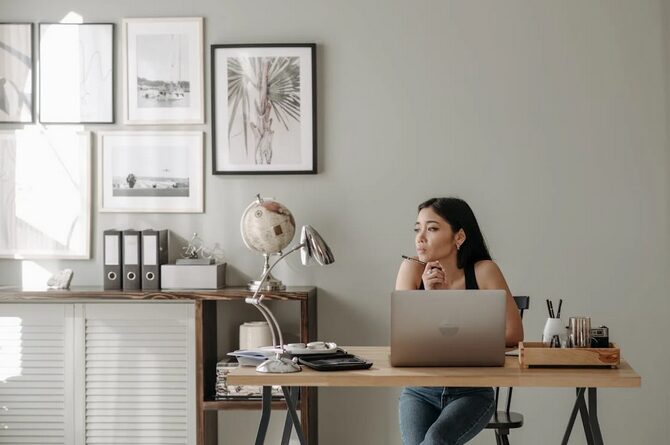
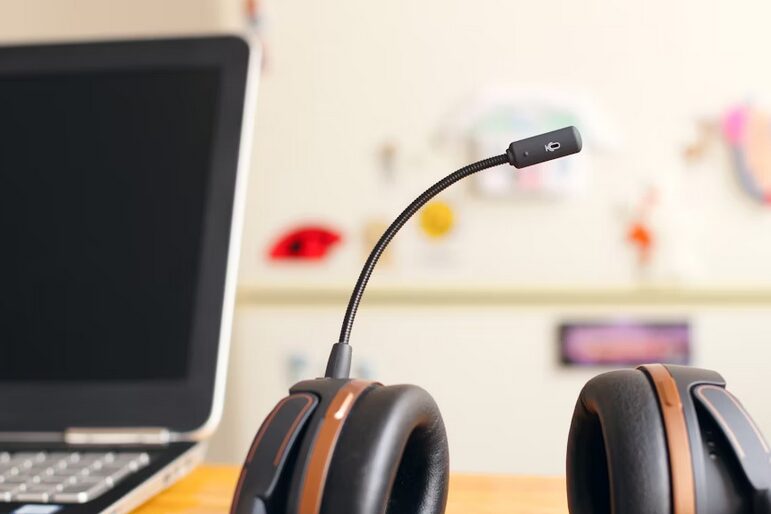
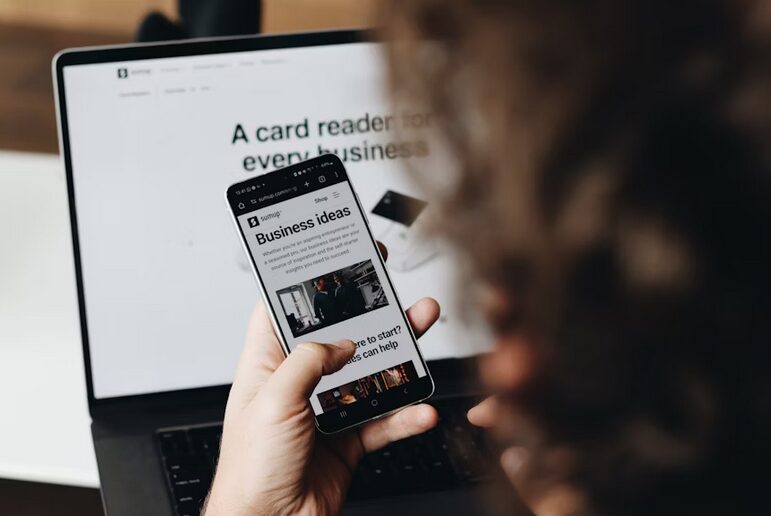
A few years ago, the idea of working from anywhere felt like a luxury. Now, it’s a normal part of life for millions of people. As remote and hybrid work continue to grow, many are asking a big question: what happens to city real estate? With fewer people commuting daily, empty office spaces and shifting housing demands have sparked debate. Is this the beginning of a decline for urban property markets, or could it actually lead to a smarter, more flexible future?
The Shift Away from Traditional Offices
One of the most visible changes has been the reduced demand for traditional office spaces. Companies no longer need massive headquarters to house their entire workforce every day. Instead, many are downsizing or rethinking how their spaces are used. In business hubs, listings featuring Commercial property are becoming more common, reflecting a market adjusting to new expectations rather than disappearing entirely.
Hybrid Work Is Changing Demand

Remote work hasn’t eliminated the office—it’s reshaped it. Many companies are adopting hybrid models where employees come in a few days a week. This has created demand for smaller, more flexible office setups rather than large, fixed spaces. Co-working environments and shared offices are gaining popularity, offering businesses adaptability without long-term commitments.
Residential Markets Are Shifting Too
It’s not just commercial real estate feeling the impact. Residential preferences are changing as well. With less need to live close to the office, many people are moving further from city centers in search of more space and better affordability. This shift is affecting urban housing demand, but it’s also opening opportunities for cities to rethink how living spaces are designed and used.
Cities Are Adapting, Not Disappearing
Despite concerns, cities aren’t becoming obsolete—they’re evolving. Urban areas still offer advantages like infrastructure, culture, and networking opportunities that are hard to replicate elsewhere. What’s changing is how space is utilized. Empty offices are being converted into residential units, creative spaces, or mixed-use developments that better reflect modern lifestyles.
The Rise of Experience-Driven Spaces Can Change the Outcome
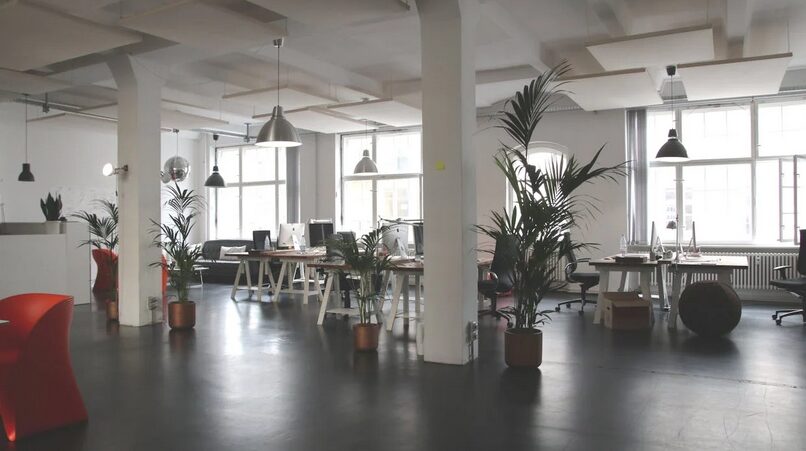
As remote work reduces the need for daily commutes, people are placing more value on experiences when they do visit cities. This is influencing real estate trends, with a growing focus on lifestyle-oriented developments. Properties that combine work, leisure, and social interaction are becoming more attractive, signaling a shift from purely functional spaces to more engaging environments.
Long-Term Investment Outlook Brings Opportunities
From an investment perspective, uncertainty often brings opportunity. While some areas may see short-term declines, others could experience growth as new patterns emerge. Investors and developers who adapt to these changes—by focusing on flexibility, sustainability, and user experience—are more likely to thrive in this evolving landscape.
Remote work isn’t killing city real estate—it’s transforming it. The changes we’re seeing are less about decline and more about adaptation. As businesses and individuals rethink how they use space, cities have a chance to become more dynamic and responsive to modern needs. The future of urban real estate may look different, but it’s far from over—in fact, it might just be getting started.…