
Showing: 1 - 2 of 2 Articles

Why Natural Light and Ventilation Depend on Floor Plan Design

Natural light and ventilation are heavily influenced by floor plan design, as the placement of rooms, windows, corridors, and open spaces directly affects how air and sunlight move through a building. Poorly planned layouts can block airflow, create dark interior spaces, and increase reliance on artificial lighting and mechanical cooling systems. In modern residential developments, thoughtful planning ensures that living areas receive optimal light and ventilation throughout the day. A well-structured thomson reserve floor plan demonstrates how spatial arrangement can enhance natural lighting and airflow, improving the quality of indoor environments. This article explores why natural light and ventilation depend on floor plan design and how architecture shapes everyday comfort.

How Building Orientation Influences Light Distribution

building orientation

The orientation of a building, together with its floor plan, determines how natural light enters different areas throughout the day. Floor plans that align frequently used spaces with sun-facing sides tend to receive more consistent daylight exposure. Conversely, poorly oriented layouts may leave key rooms dependent on artificial lighting during most hours. The placement of windows in relation to interior partitions also affects how deeply light travels within the structure. Open layouts allow sunlight to spread further, while heavily compartmentalized designs can limit brightness to specific zones. This relationship between orientation and layout is essential in achieving evenly lit interior environments.

Ventilation Pathways Created by Interior Layouts

Natural ventilation relies on the movement of air through a building, which is heavily influenced by the arrangement of internal spaces. Floor plans that support cross ventilation typically position openings on opposite sides of a structure, allowing air to flow naturally from one side to another. When interior walls obstruct these pathways, airflow becomes restricted, and stagnant air can accumulate. Open corridors and strategically placed openings help guide air movement through multiple rooms. The effectiveness of ventilation, therefore, depends not only on external wind conditions but also on how interior spaces are connected and structured within the overall design.

Impact of Room Arrangement on Airflow Efficiency
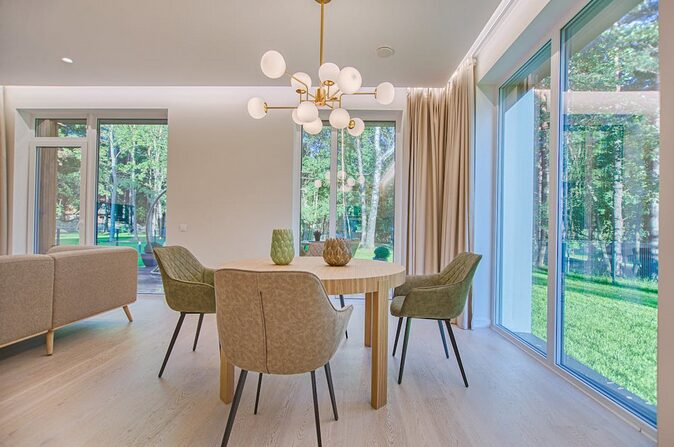
The placement of rooms within a floor plan can either enhance or restrict ventilation efficiency. Spaces that generate heat, such as kitchens or utility areas, often require stronger airflow to maintain comfort, and their location can influence how air circulates throughout the building. When such rooms are positioned without consideration for airflow patterns, they may disrupt natural ventilation for adjacent areas. On the other hand, a thoughtful arrangement ensures that air moves smoothly through the structure, reducing reliance on mechanical cooling systems. This demonstrates how spatial planning plays a central role in regulating indoor environmental quality.

Natural light and ventilation are not accidental features of a building but outcomes shaped largely by floor plan design. The arrangement of spaces, orientation of rooms, and placement of structural elements all influence how light and air move through an interior environment. When these factors are carefully considered, buildings become brighter, more comfortable, and more energy efficient. Poorly planned layouts, however, can limit natural airflow and reduce daylight access, increasing reliance on artificial systems. Ultimately, thoughtful floor planning is essential for creating healthy and efficient indoor environments that respond effectively to natural conditions.…


listing

Convincing Reasons Why You Should List Your Property Online

Are you tired of traditional methods of selling or renting out your property only to be met with limited exposure and slow results? It’s time to take a leap into the digital age and discover the countless benefits of listing your property online. In this blog post, we will unveil the most convincing reasons why embracing the power of online platforms is not just a game-changer but an essential step toward success in today’s real estate market. Get ready to revolutionize your property listings and unlock new opportunities like never before.

Wider Reach, Greater Exposure

reach

The internet is a vast and interconnected network that knows no geographical boundaries. By listing your property online, you instantly tap into a global audience of potential buyers. Your property is no longer limited to local or regional marketing. It gains exposure on a scale that was previously unimaginable, opening the door to a diverse array of interested parties.

24/7 Accessibility

One of the most significant advantages of listing your property online is that it remains accessible 24/7. Prospective buyers can browse listings, view photos, and gather essential information at any time, day or night. This convenience caters to the varying schedules of buyers, making it easier for them to explore your property without constraints.

Comprehensive Property Information

Online listings provide ample space to showcase your property in detail. You can include high-quality photographs, comprehensive descriptions, floor plans, and even virtual tours. This wealth of information allows potential buyers to evaluate your property thoroughly, resulting in more informed inquiries and a higher likelihood of conversion.

Even negative aspects of your property or location can be presented in a more balanced way, providing clarity and transparency to potential buyers. For example, mentioning damage sell house as is or a noisy neighborhood can be done by highlighting the potential for renovation or the proximity to amenities and transportation.

Enhanced Marketing Opportunities

The digital realm offers a myriad of marketing tools and techniques that can be leveraged to boost the visibility of your property listing. Social media, search engine optimization (SEO), email marketing, and paid advertising are just a few of the strategies that can be harnessed to promote your listing to a targeted audience. These tools enable you to tailor your marketing efforts and maximize your property’s exposure.

Quick and Easy Communication

solution

Online property listings streamline the communication process between sellers and buyers. Interested parties can easily get in touch with you through contact forms, email, or phone. This direct communication can facilitate swift and efficient exchanges, ensuring that you don’t miss out on potential offers due to communication delays.

Cost-Effective Solution

Traditional advertising methods, such as newspaper ads and physical brochures, can be expensive. In contrast, online property listings offer a cost-effective alternative. Most real estate websites and platforms offer various pricing tiers, allowing you to choose a plan that aligns with your budget. This cost efficiency makes online listings an attractive option for sellers.

In today’s dynamic real estate market, listing your property online is not just a good idea; it is an essential strategy that provides a host of benefits. From gaining a wider reach and 24/7 accessibility to offering comprehensive property information and enhanced marketing opportunities, the advantages are clear. Online listings also enable quick and easy communication with potential buyers while remaining a cost-effective solution.…