
Why Natural Light and Ventilation Depend on Floor Plan Design

Natural light and ventilation are heavily influenced by floor plan design, as the placement of rooms, windows, corridors, and open spaces directly affects how air and sunlight move through a building. Poorly planned layouts can block airflow, create dark interior spaces, and increase reliance on artificial lighting and mechanical cooling systems. In modern residential developments, thoughtful planning ensures that living areas receive optimal light and ventilation throughout the day. A well-structured floor plan demonstrates how spatial arrangement can enhance natural lighting and airflow, improving the quality of indoor environments. This article explores why natural light and ventilation depend on floor plan design and how architecture shapes everyday comfort.
How Building Orientation Influences Light Distribution

The orientation of a building, together with its floor plan, determines how natural light enters different areas throughout the day. Floor plans that align frequently used spaces with sun-facing sides tend to receive more consistent daylight exposure. Conversely, poorly oriented layouts may leave key rooms dependent on artificial lighting during most hours. The placement of windows in relation to interior partitions also affects how deeply light travels within the structure. Open layouts allow sunlight to spread further, while heavily compartmentalized designs can limit brightness to specific zones. This relationship between orientation and layout is essential in achieving evenly lit interior environments.
Ventilation Pathways Created by Interior Layouts
Natural ventilation relies on the movement of air through a building, which is heavily influenced by the arrangement of internal spaces. Floor plans that support cross ventilation typically position openings on opposite sides of a structure, allowing air to flow naturally from one side to another. When interior walls obstruct these pathways, airflow becomes restricted, and stagnant air can accumulate. Open corridors and strategically placed openings help guide air movement through multiple rooms. The effectiveness of ventilation, therefore, depends not only on external wind conditions but also on how interior spaces are connected and structured within the overall design.
Impact of Room Arrangement on Airflow Efficiency
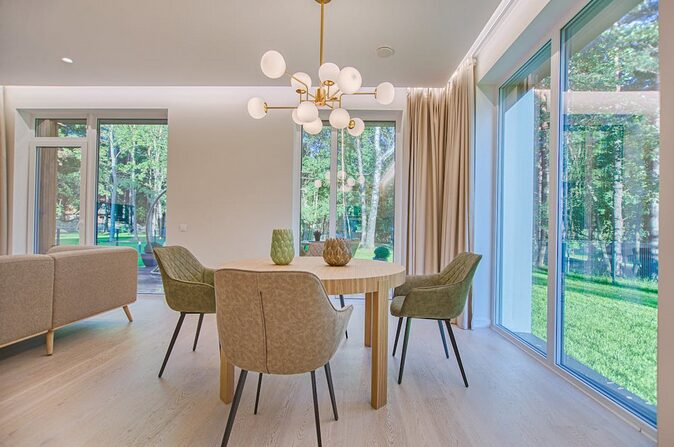
The placement of rooms within a floor plan can either enhance or restrict ventilation efficiency. Spaces that generate heat, such as kitchens or utility areas, often require stronger airflow to maintain comfort, and their location can influence how air circulates throughout the building. When such rooms are positioned without consideration for airflow patterns, they may disrupt natural ventilation for adjacent areas. On the other hand, a thoughtful arrangement ensures that air moves smoothly through the structure, reducing reliance on mechanical cooling systems. This demonstrates how spatial planning plays a central role in regulating indoor environmental quality.
Natural light and ventilation are not accidental features of a building but outcomes shaped largely by floor plan design. The arrangement of spaces, orientation of rooms, and placement of structural elements all influence how light and air move through an interior environment. When these factors are carefully considered, buildings become brighter, more comfortable, and more energy efficient. Poorly planned layouts, however, can limit natural airflow and reduce daylight access, increasing reliance on artificial systems. Ultimately, thoughtful floor planning is essential for creating healthy and efficient indoor environments that respond effectively to natural conditions.…



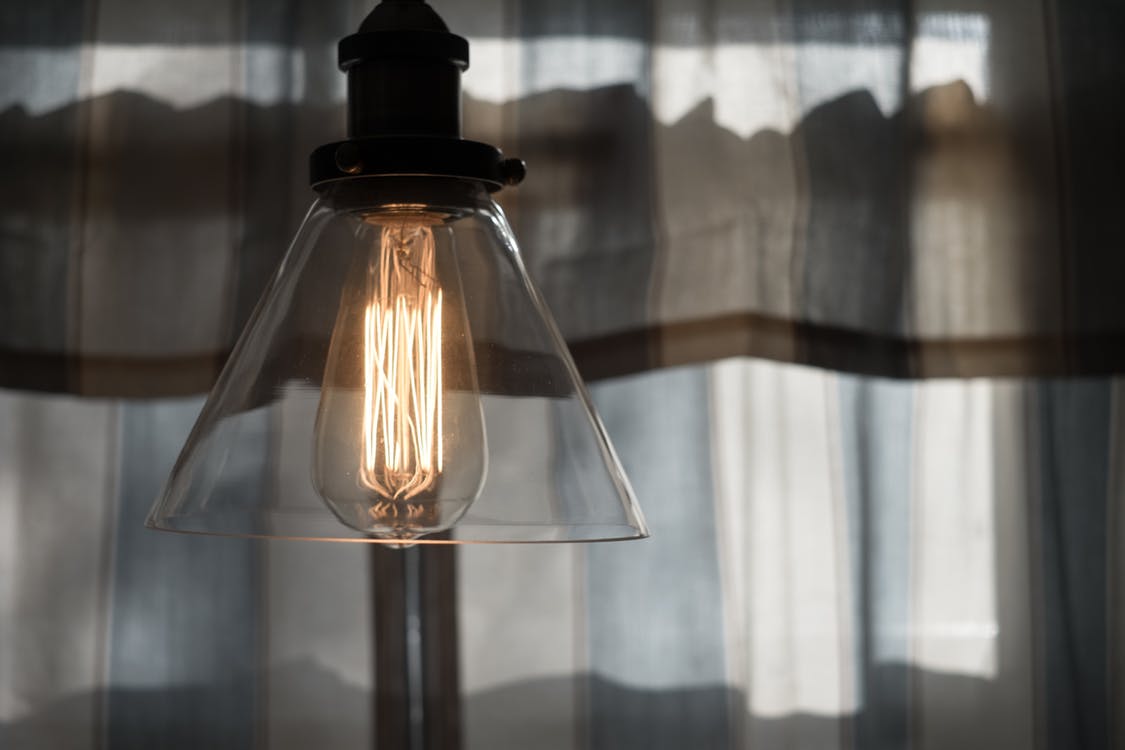
 This should be the first thing that you should always look at before buying a bulb. Watts measure that amount of energy that is required to light the bulb. On the other hand, the lumen is a term that is used to describe the amount of the light that is produced by the bulb. When you go the shop make sure that you buy a bulb that has the lowest watts and the same time high lumens. Such bulbs are of high quality, and they have many benefits one of it being that they do not consume lots of energy. This, therefore, means that you will be able to save a lot of cash when it comes to paying of the electricity bills. Also, the quality of the light produced by this kind of bulbs is impressive.
 You also need to look at the voltage of the bulb that you want to buy. This is what will give you the maximum efficient that you will desire as long as the lighting of your home is concerned. It is recommended that whenever you go to buy a bulb, ensure that the voltage on the bulb matches the supplied voltage of your fixture. You also need to understand that low voltage draws lots of currents and also high voltage reduces the life of the battery.…